

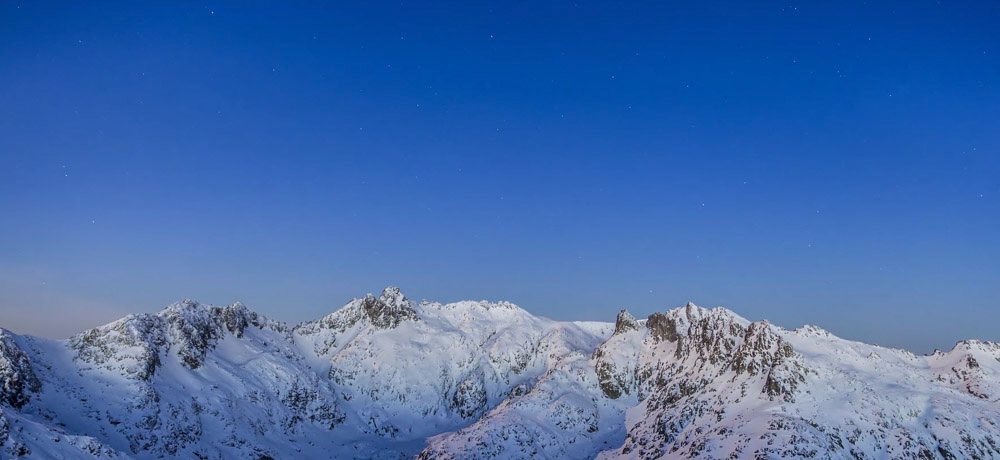
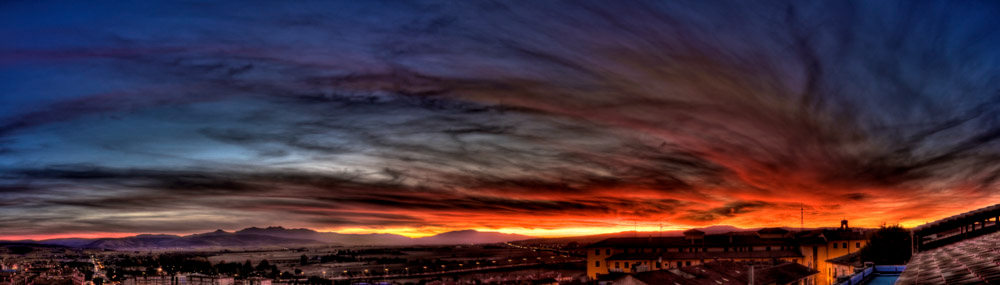
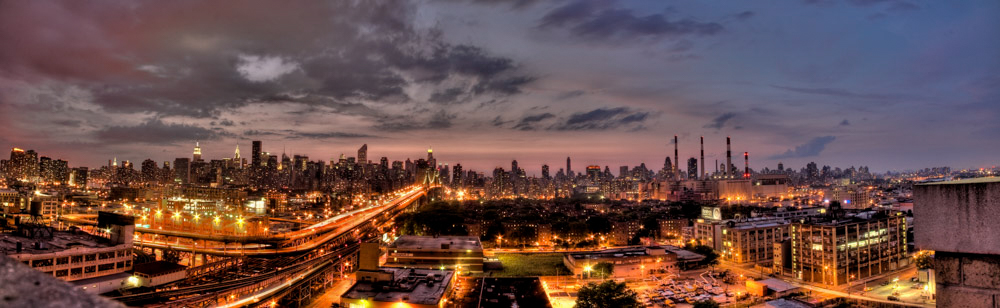
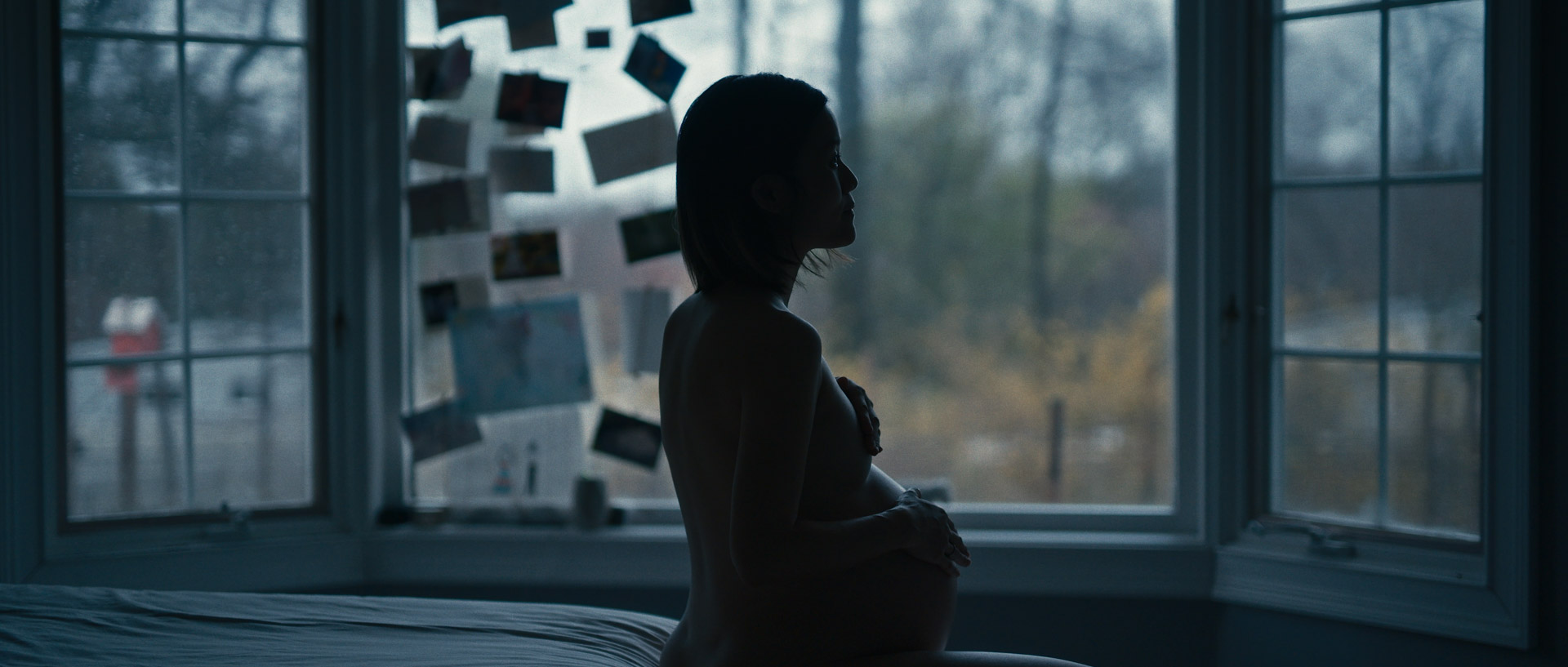
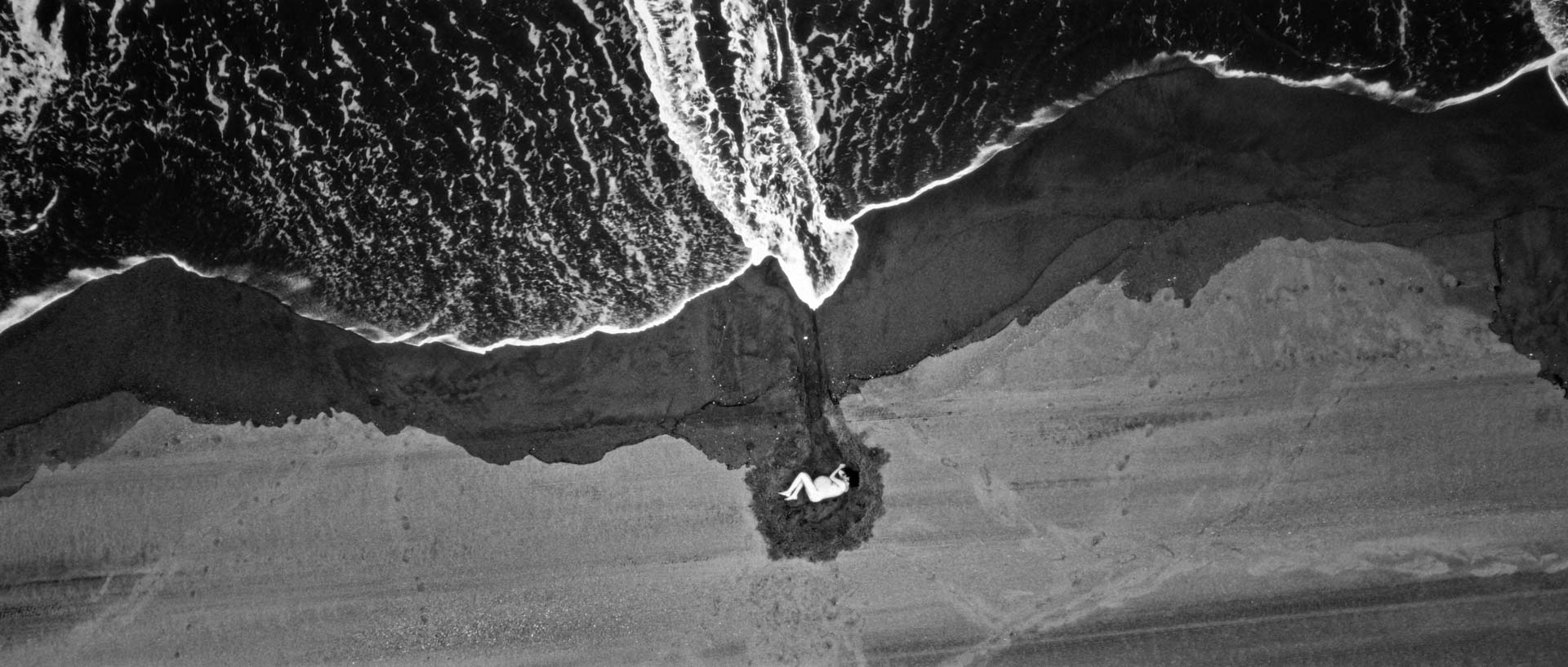
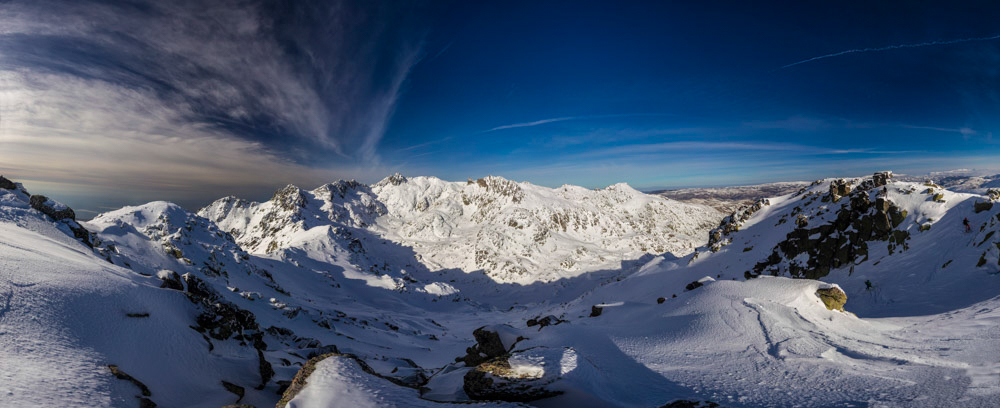
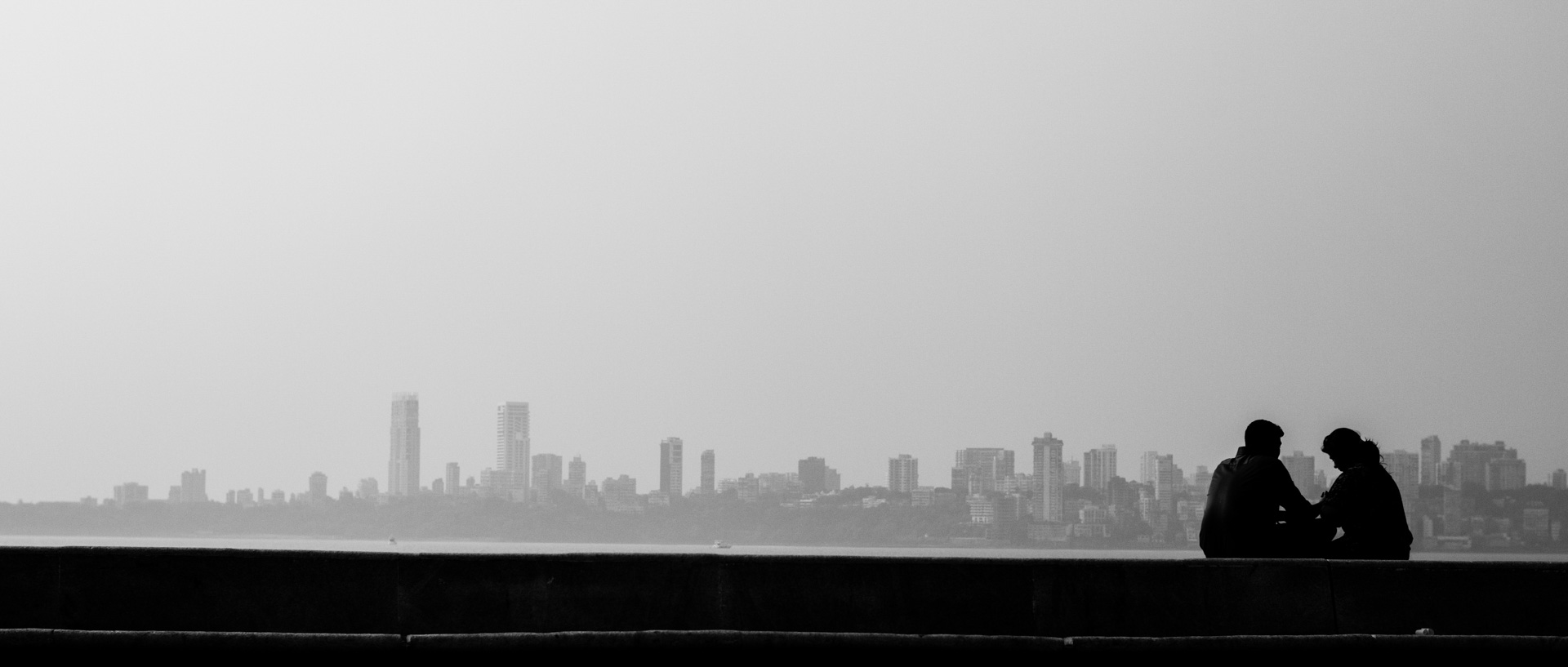
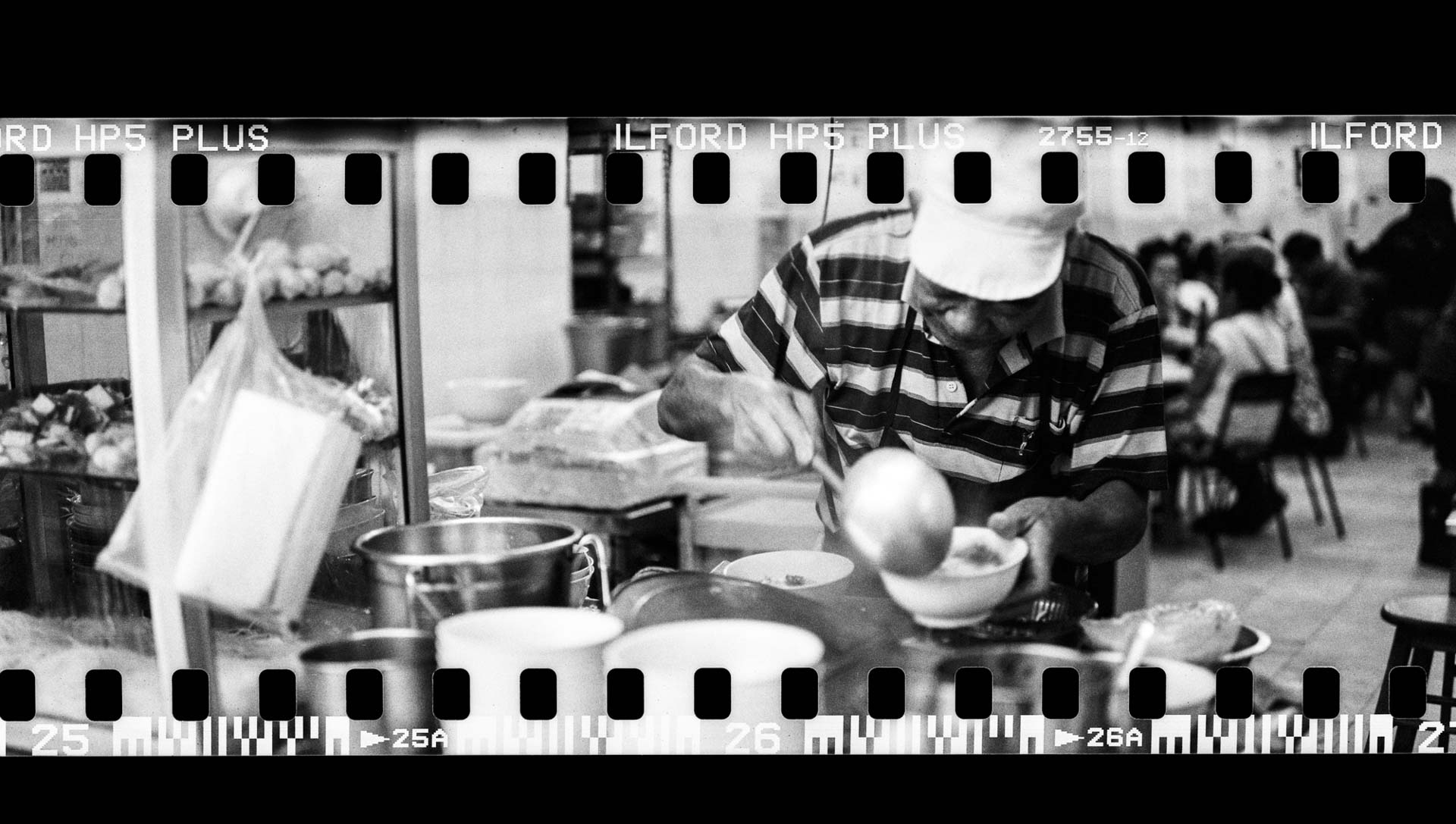
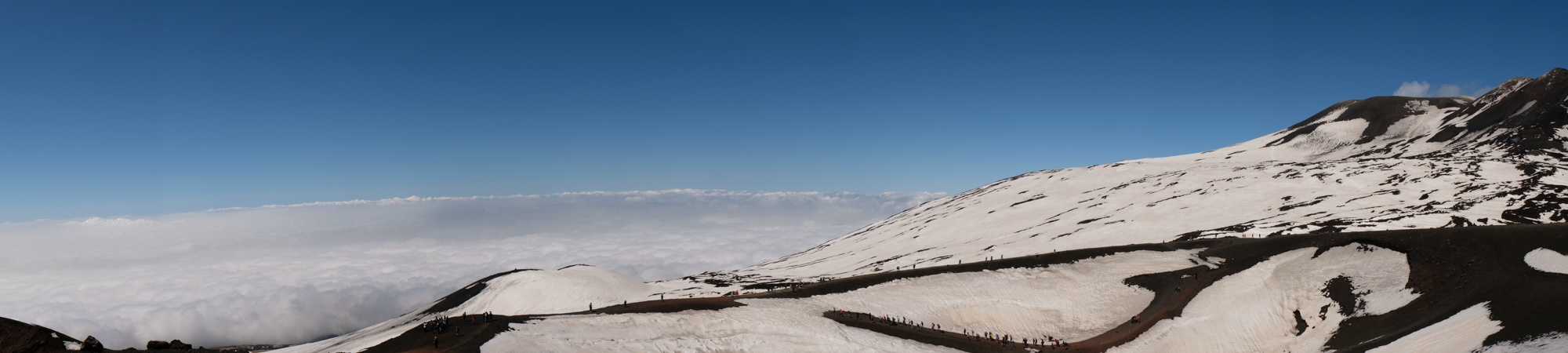
For over twenty years, I’ve studied panoramas with care and admiration. There’s something about them, especially when printed, that creates a window into the image in a way other formats don’t quite achieve.
Some of the masters I admire, both in filmmaking and photography, used very wide frames to tell their stories. Not as a stylistic flourish, but because that was the only way to tell those particular stories. Aspect ratio isn’t chosen lightly. It carries profound weight in how a narrative unfolds, how the eye moves, how space breathes.
Technology may have shaped how we perceive the world, how we tell stories, but it hasn’t changed our hunger to hear them, to watch them, to feel them. Orencio Carvajal and I would discuss this for hours, sharing references of films that have shaped the way we perceive stories, tracing how images have evolved over the last hundred years. But have they really changed that much in the end?
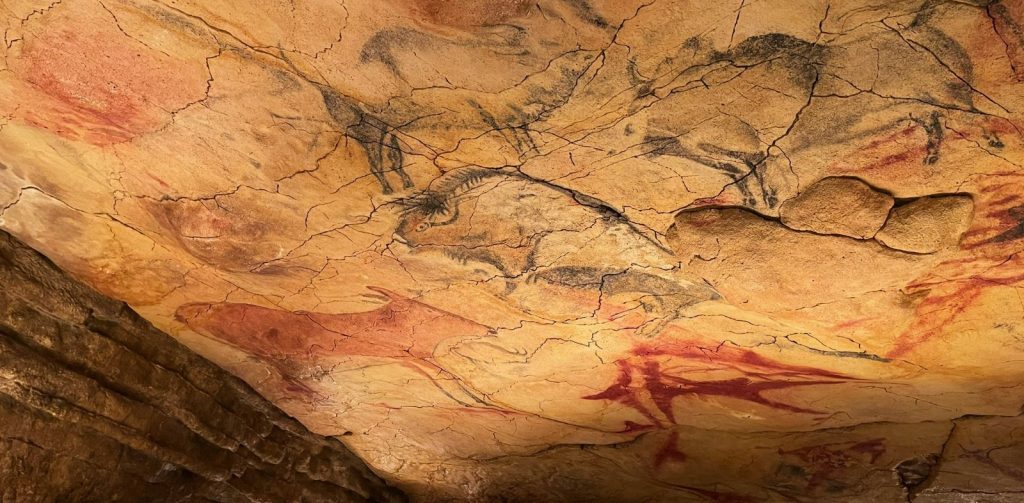
The last time I was in Atapuerca, I couldn’t stop thinking about it. Those images on the cave ceilings, the shape of animals rendered in ochre and charcoal, the way firelight would have animated them, made them move and breathe against the stone. That was cinema, the flickering flames became the projector, the cave wall became the screen. A prehistoric IMAX of sorts. The same human impulse to capture life, to tell stories larger than ourselves, to create windows into other worlds.
Panoramas are pleasing in the same way they’re echoistic and vulnerable. They demand humility. They allow little to no room for error, everything is exposed, laid bare across that wide canvas. There’s nowhere to hide behind clever cropping or selective framing. You either commit completely, or the format reveals your hesitation.
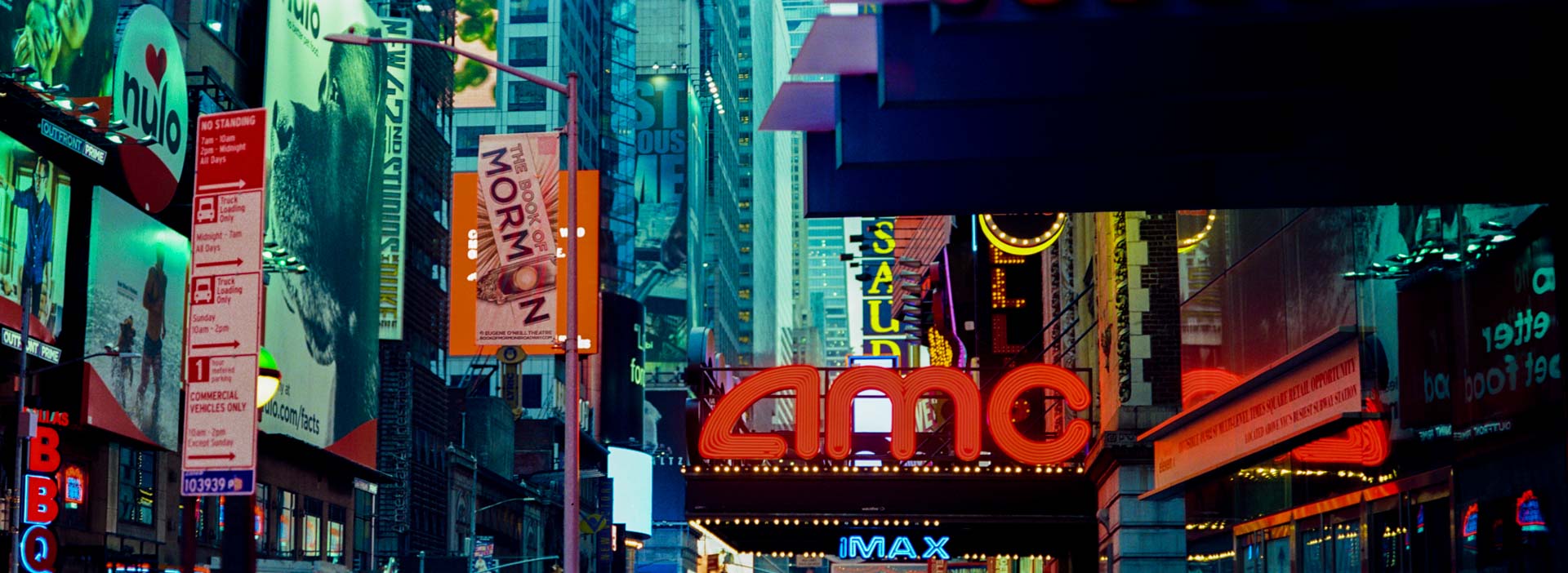
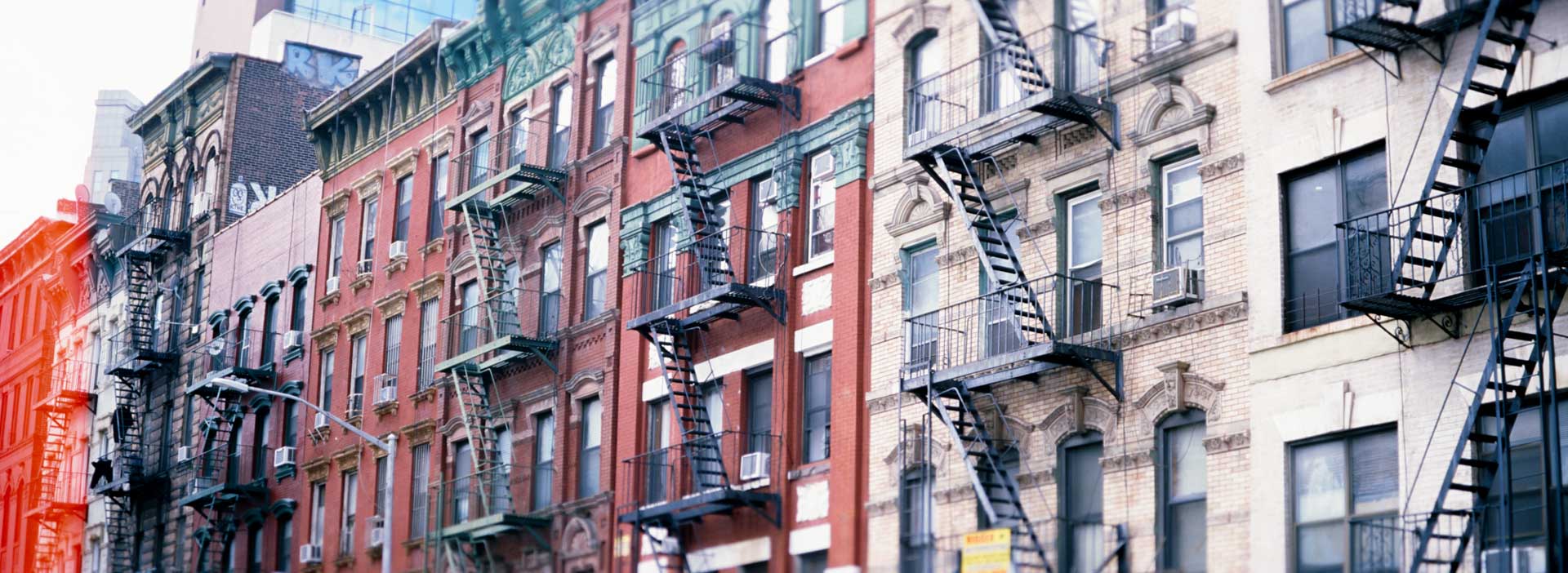
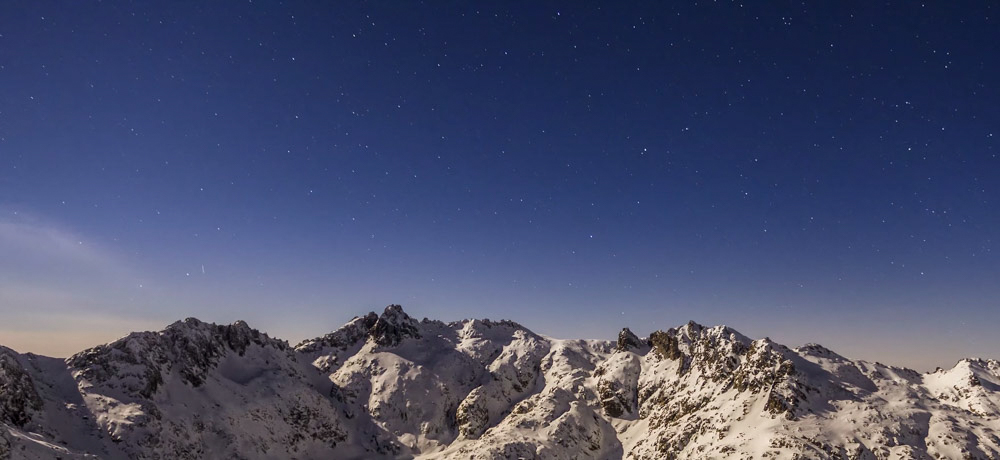
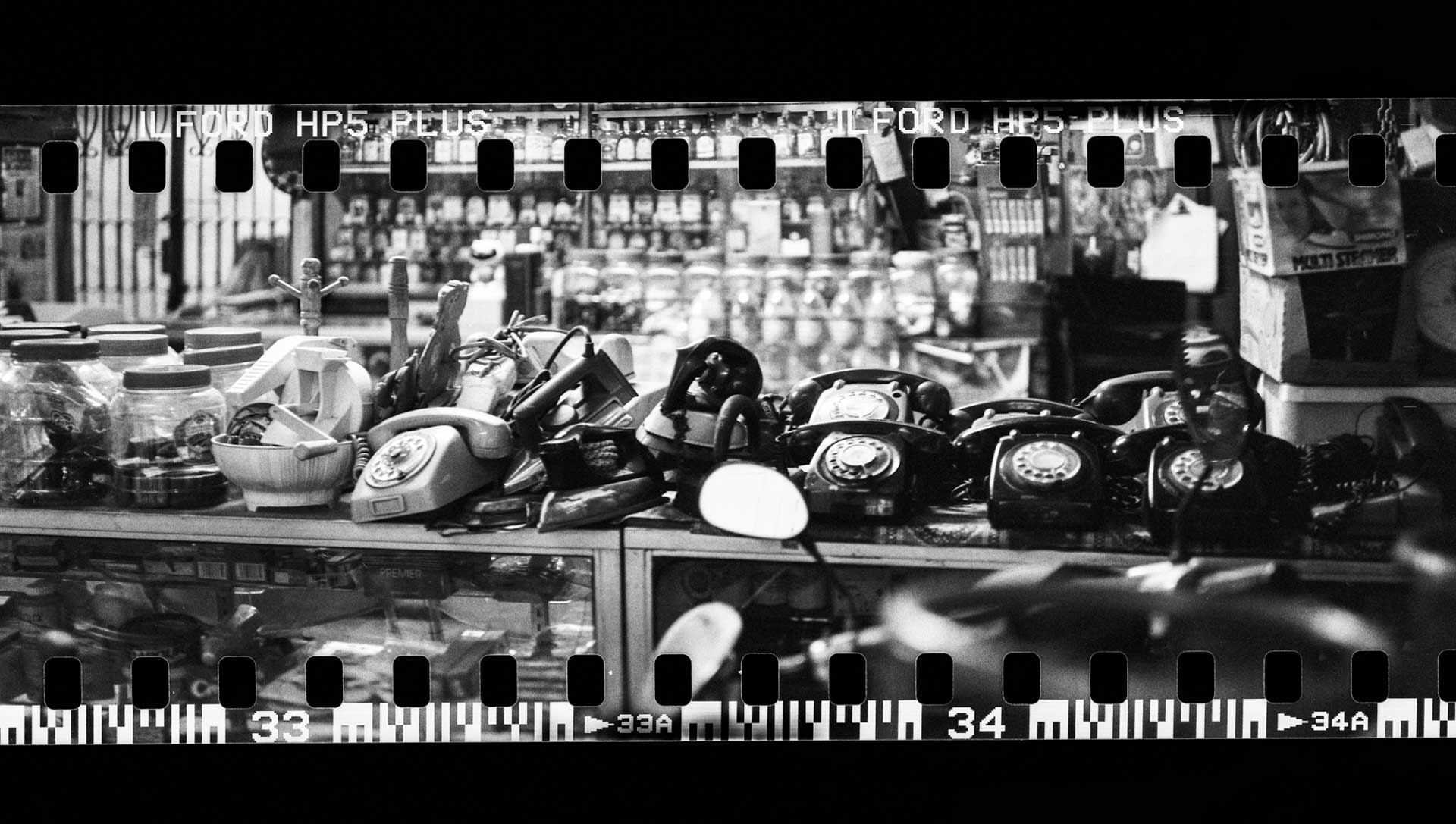
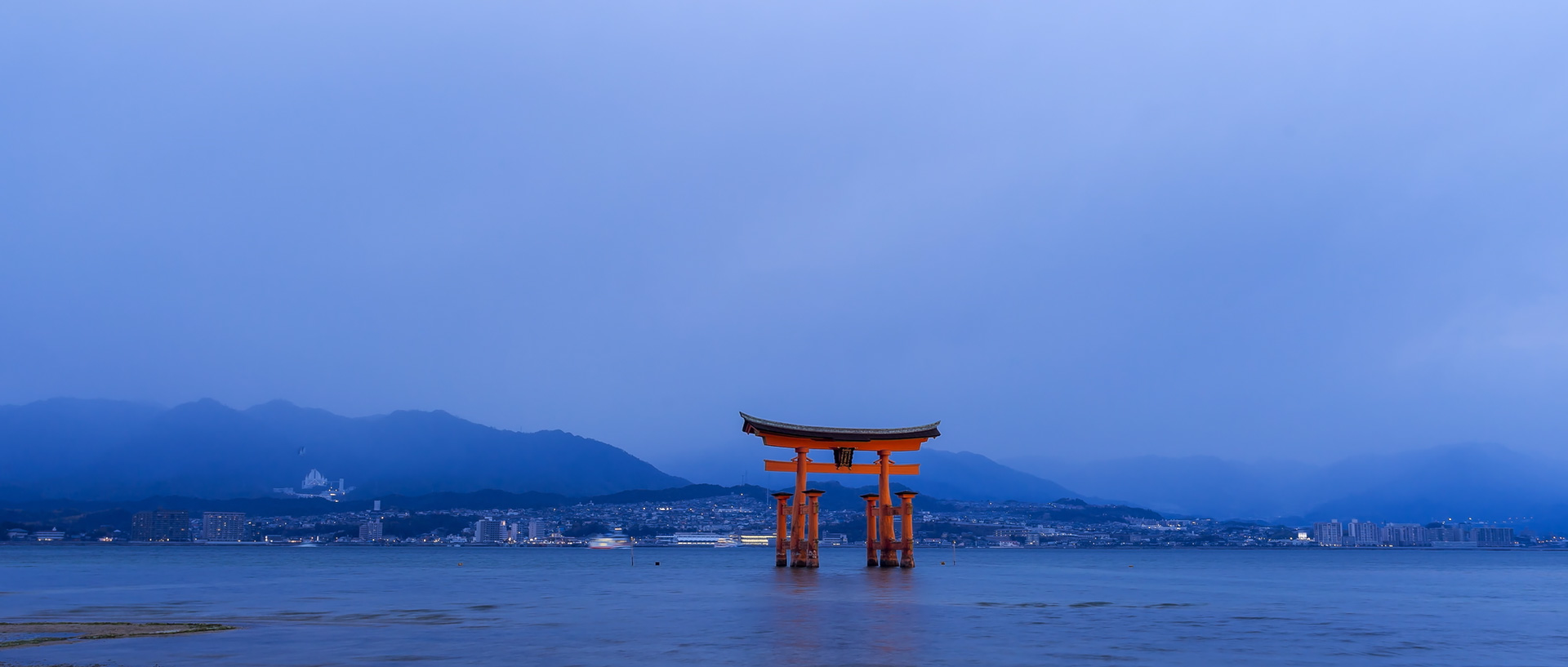
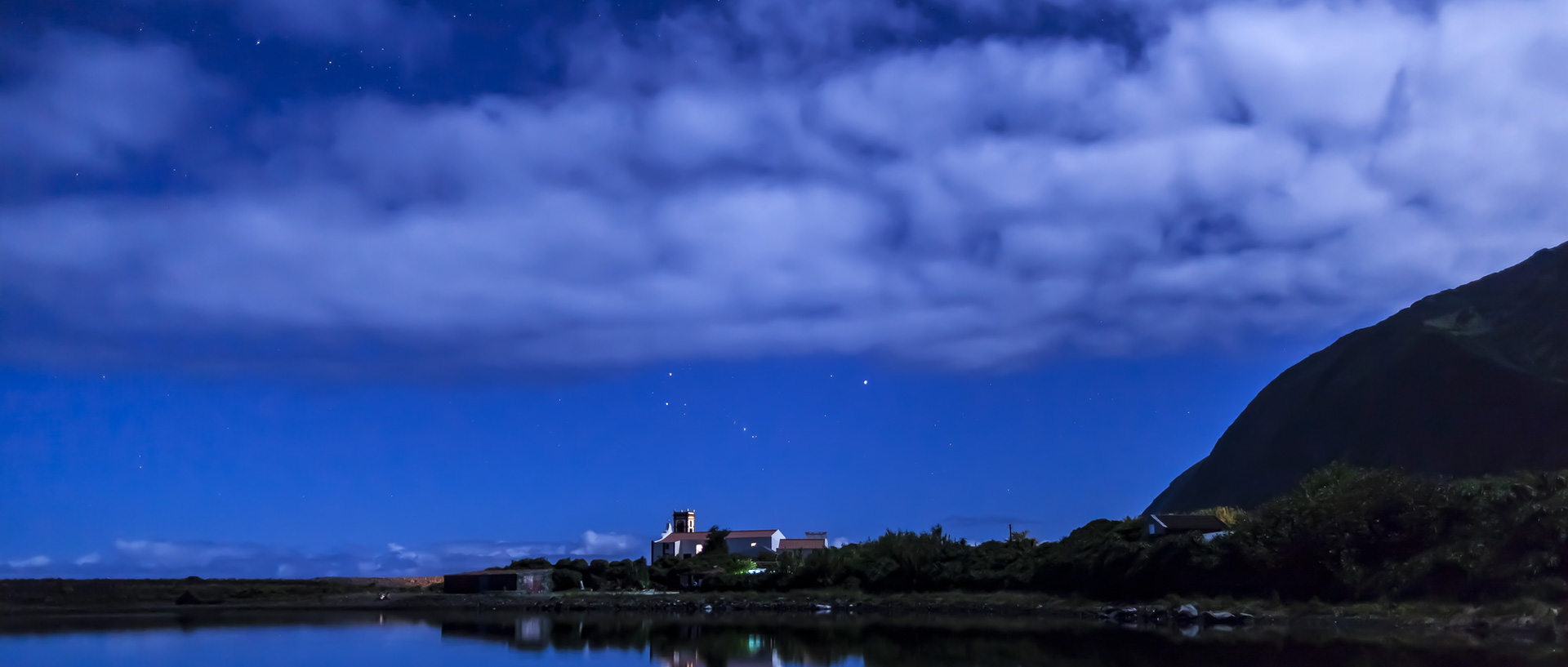
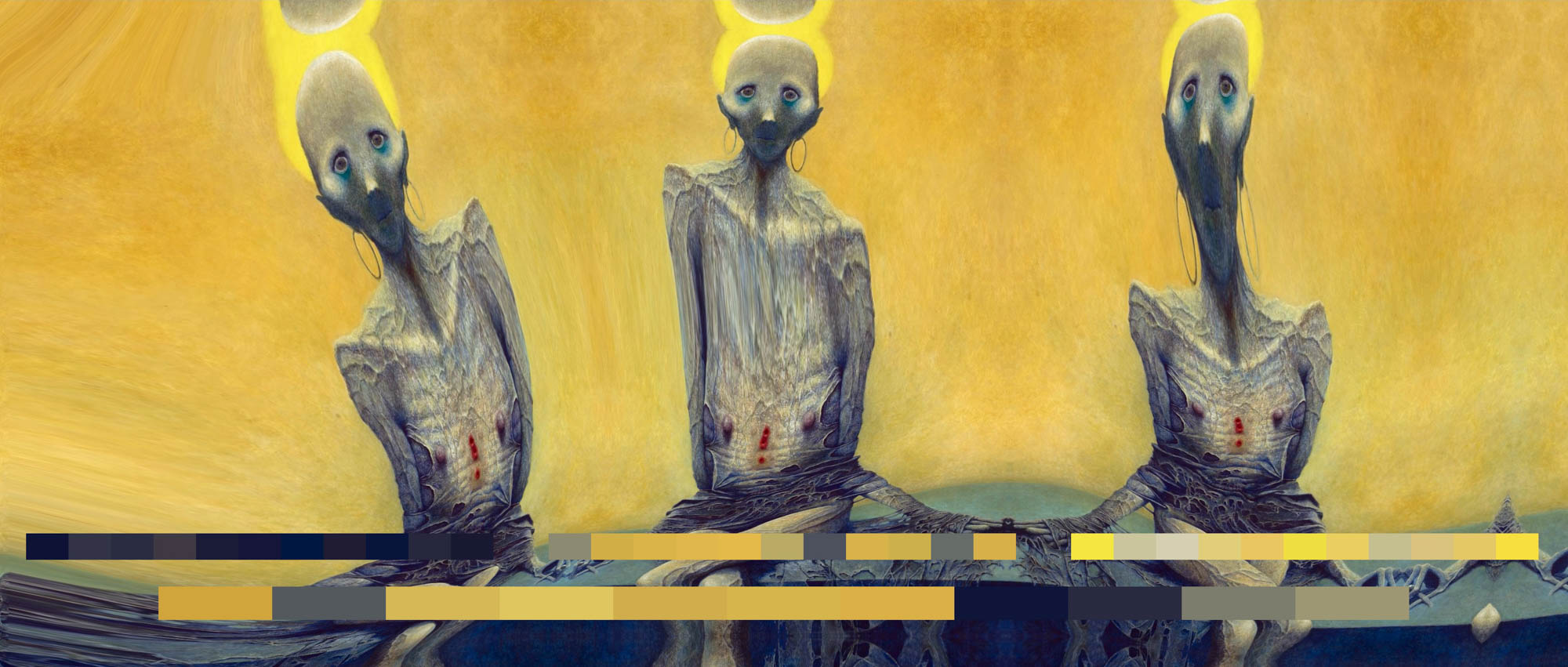
Some of these images were shot in film, some in digital and the entire time the IS monkey was hammering away at my head. The Atapuerca image is just a reference I took in 2021 or 2022, Javier Trueba has a much better job done, in the real caves.
Leave a comment